Electronics Recycling Services: Professional E-Waste Solutions for Industrial Facilities
The Definitive Guide to E-Waste Recycling: Why It Counts and How to Take Action
E-waste recycling is an essential yet often overlooked aspect of modern sustainability. Given the rapid progression of technology, enormous quantities of electronic waste gather each year, presenting serious environmental threats. Grasping the complexities of e-waste disposal enables people to make well-informed decisions. This resource not only details efficient recycling methods but also examines the wider consequences for both the environment and economy. The pursuit of responsible electronic waste management commences with a handful of essential measures.
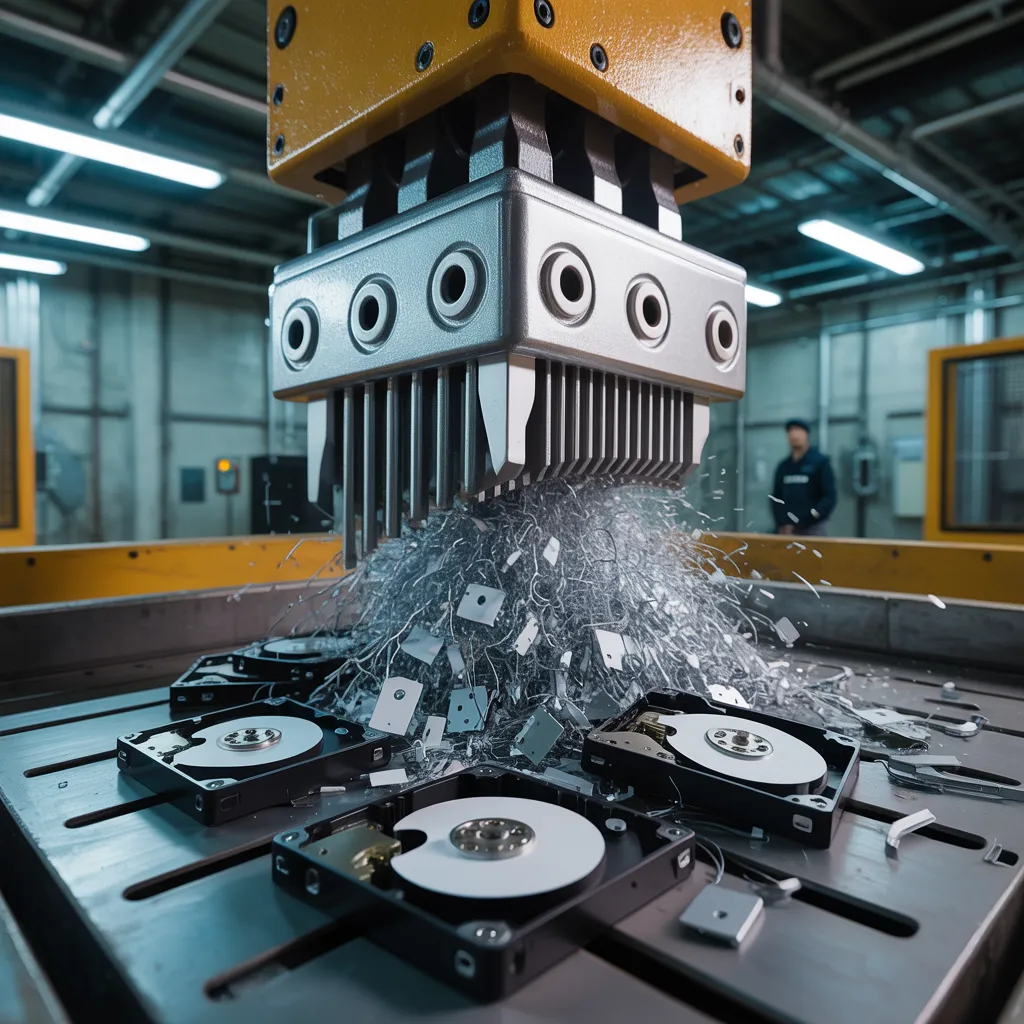
Everything You Should Know About E-Waste
E-waste, or electronic waste, refers to discarded electrical and electronic devices, and grasping its impact is essential in the modern digital era. Technological progress has led to a substantial rise in the production of e-waste, with millions of tons produced annually. This waste often contains hazardous materials such as lead, mercury, and cadmium, posing serious environmental and health risks if not managed properly.
Moreover, significant resources like copper, gold, and rare earth minerals are contained in these devices, which can be extracted through recycling processes. Yet, a substantial percentage of electronic waste accumulates in landfills, aggravating resource depletion and pollution. Knowledge about correct disposal practices and the need for recycling can reduce these concerns, encouraging a greener approach to technology usage. Understanding the concept of e-waste is necessary for fostering accountable habits and driving effective recycling initiatives within society.
Getting Started with E-Waste Recycling
Choosing to take action on recycling electronic waste can greatly impact environmental health and individual responsibility. As a first step, individuals should assess their unused or broken electronics, categorizing items such as smartphones, laptops, and printers. This approach assists in determining the quantity of electronic waste that must be managed. Additionally, looking into local recycling initiatives is essential. Numerous neighborhoods provide dedicated drop-off points or scheduled collection drives for electronic waste.
Users should also become aware of which items are recyclable and which are not, as rules differ depending on the area. Once they have identified suitable programs, wrapping the items properly for transit guarantees safety and minimizes damage. Finally, it is important to monitor the recycling process, ensuring that qualified recyclers are responsible for handling the e-waste. By implementing these foundational actions, individuals contribute to a more sustainable future as they dispose of their electronic devices in a responsible manner.
The Environmental Impact of E-Waste Recycling
Despite being frequently ignored, the environmental impact of recycling electronic waste is deep and wide-reaching. Appropriate recycling of electronic waste helps prevent hazardous materials, such as lead, mercury, and cadmium, from tainting soil and water resources. These toxic substances can contribute to critical health threats for both humans and wildlife. By embracing recycling practices, critical raw materials like copper, silver, and gold are reclaimed, minimizing the reliance on mining and diminishing the overall carbon impact connected to the extraction of resources.
Furthermore, efficient e-waste recycling limits landfill dependency, where decomposing electronics release harmful chemicals. It strengthens a circular economy by championing sustainable approaches, motivating manufacturers to create products that prioritize recyclability. Moreover, recycling contributes to reduced greenhouse gas emissions by minimizing energy demands compared to new material production. Overall, the environmental benefits of e-waste recycling underscore its critical role in promoting a healthier planet and ensuring responsible management of electronic resources.
Economic Benefits of E-Waste Recycling
E-waste recycling presents significant economic advantages, especially in terms of employment generation and material recovery. Through the development of recycling centers, neighborhoods can produce meaningful work prospects while promoting sustainable practices. Moreover, reclaiming precious materials from e-waste minimizes the demand for virgin resource mining, resulting in substantial financial savings.
Work Creation Possibilities
Processing e-waste not only tackles environmental issues but also acts as a driving force for employment growth. The electronic waste View details recycling sector creates numerous job prospects, spanning from gathering and categorizing to processing and restoring electronic equipment. As demand for sustainable practices grows, this sector is expanding, requiring skilled labor in technology, engineering, and logistics. Local economies benefit as job creation often occurs in areas with high unemployment rates, leading to community development. Additionally, organizations participating in e-waste management can inspire technological advancement and business development, supporting a resource-efficient economy. By supporting e-waste efforts, governing bodies and enterprises not only champion environmental responsibility but also bolster economic stability through valuable work opportunities.
Material Recovery Savings
The e-waste recycling industry not only creates jobs but also offers substantial financial benefits through resource recovery savings. By recovering precious materials including gold, silver, and copper from obsolete electronics, the recycling process decreases the reliance on virgin material extraction, which tends to be both costly and ecologically destructive. This process lowers production costs for manufacturers, ultimately leading to reduced prices for consumers. Moreover, the energy savings associated with recycling e-waste can be substantial, lowering operational expenditures for businesses and boosting overall economic efficiency. Beyond this, as global demand for electronic devices continues to rise, effective material recovery from e-waste grows ever more critical for maintaining supply chains and strengthening economic resilience. Therefore, electronic waste recycling represents a wise investment for both economic and environmental well-being.
Where You Can Recycle Your Old Electronics
Wondering where to dispose of outdated electronics responsibly? A wide range of choices can be found for recycling used gadgets, ensuring both environmental protection and resource recovery. Local recycling centers often accept a variety of electronics, like desktop computers, smartphones, and TV sets. Numerous local governments additionally organize regular electronic waste collection drives, providing a convenient way for residents to recycle items safely.
Well-known retailers including Best Buy and Staples provide take-back initiatives, allowing customers to return old electronics when purchasing new ones. A number of manufacturers have established mail-in recycling initiatives, making it possible for users to mail their obsolete gadgets directly to specified collection facilities. Non-profit organizations may also accept donations of functioning electronics, extending their lifespan while supporting community initiatives.
Debunking Myths About E-Waste Recycling
Despite the common belief that e-waste recycling is ineffective, the reality is that properly managed programs can substantially decrease environmental harm. A popular misunderstanding is that e-waste ends up in landfills regardless of recycling efforts. In truth, established recycling centers recover useful resources and safely dispose of hazardous components.
Another myth suggests that electronic recycling is overly complex or expensive. Nevertheless, a variety of community programs feature no-cost drop-off points, ensuring accessibility for all individuals. Some also provide convenient pickup options.
Additionally, some people mistakenly believe that every piece of e-waste is recyclable, but certain items are not eligible for recycling as a result of the unique materials used in their construction. Being aware of local recycling guidelines is important.
To conclude, it is widely believed that e-waste recycling fails to generate job creation. The truth is, the recycling industry creates thousands of livelihoods, boosting the economy while promoting environmental sustainability. By correcting these misunderstandings, individuals can develop a clearer understanding about e-waste recycling.
Frequently Asked Questions
Is It Possible to Recycle Batteries With My E-Waste?
Batteries are not suitable for recycling with e-waste. Separate handling is necessary owing to the dangerous materials within them. Appropriate disposal methods involve dedicated recycling centers or specially organized collection events for batteries, guaranteeing safe and eco-friendly processing.
What Occurs to My Data During the Recycling Process?
During recycling, data stored on devices could be vulnerable if not properly erased. Established recycling companies use specialized methods to confirm thorough data removal, safeguarding personal information from potential recovery or misuse.
Are E-Waste Recycling Practices Governed by Law?
E-waste recycling is governed by a range of laws and regulations that differ by geographic location. These rules seek to promote safe disposal, safeguard the environment, and handle hazardous materials responsibly during the recycling process.
Are There Fees for Recycling Electronics?
Numerous electronics disposal facilities might charge fees for processing electronic items, especially for certain categories like monitors or televisions. Nevertheless, certain centers provide no-cost recycling, often funded by manufacturer-sponsored programs or local programs encouraging responsible disposal.
How Can I Promote E-Waste Recycling in My Community?
To encourage e-waste recycling throughout the community, organizations can organize outreach campaigns, work alongside local businesses to host recycling events, and use social media to spread valuable information about the benefits to the environment and responsible disposal practices.